

Hyderabad, Telangana, Bharat (India) | Bureau Report | ReportingNewsWorld.com
Questions Emerge Over Governance Transparency in Mental Health Foundation Engagement

In the rapidly evolving world of startups and early-stage investing, ethics and due diligence are no longer optional — they are foundational pillars of sustainable growth.
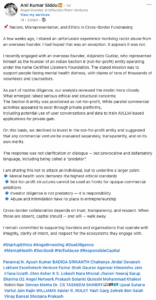
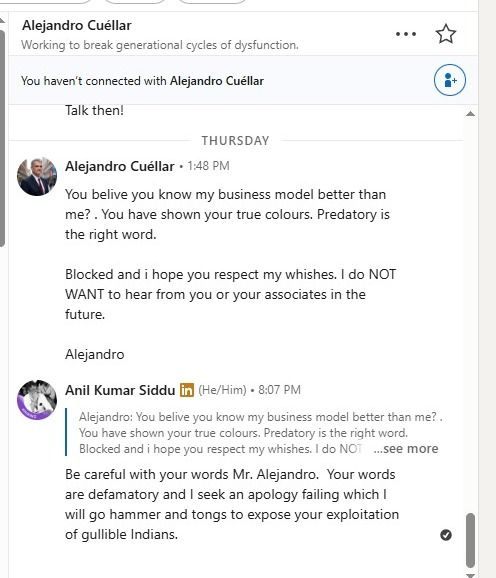
Concerns regarding governance transparency and structural clarity have surfaced following a public disclosure by Hyderabad-based angel investor Mr. Anil Kumar Siddu, who shared his experience during preliminary engagement discussions with a mental health-focused foundation.
In a LinkedIn post, Mr. Siddu described encountering what he characterized as inconsistencies related to organizational structure and operational positioning during due diligence discussions. The observations, shared publicly, have triggered conversation within startup and investor communities about transparency standards in hybrid or foundation-linked entities.
While the foundation has not been formally accused of wrongdoing, the situation raises broader questions about governance practices in organizations operating at the intersection of social impact and commercial activity.
ReportingNewsWorld has not independently verified these claims. The foundation in question has not been adjudicated to have engaged in any wrongdoing.
What Triggered the Concerns?
According to Mr. Siddu’s publicly shared account, concerns were raised during preliminary engagement discussions regarding the foundation’s organizational positioning and disclosure practices. The issues reportedly centered around:
- The clarity of its legal structure and operational framework
- Transparency regarding commercial activities, if any
- Alignment between public representation and internal functioning
Mr. Siddu suggested that clarity gaps emerged during this review process. The post indicates that these concerns ultimately led him to disengage from further discussions.
ReportingNewsWorld has not independently verified the assertions made in the LinkedIn post. No judicial or regulatory authority has issued findings against the foundation referenced.
Responsible Investing Requires Transparency
Angel investing plays a critical role in fueling innovation. Early-stage capital often determines whether a promising idea matures into a scalable enterprise.

However, as highlighted in Mr. Siddu’s observations, due diligence must go beyond financial projections. It must assess governance, compliance structure, operational transparency, and professional conduct.
ReportingNewsWorld has not independently verified the claims made in the LinkedIn post. The article is based on publicly available commentary and is intended for informational reporting purposes only.
What Due Diligence Actually Means
Due diligence is a structured evaluation process undertaken before making an investment decision. It generally includes:

1. Financial Verification
- Review of audited financials
- Revenue model validation
- Burn rate and capital requirement analysis
- Debt or contingent liability checks
2. Legal and Compliance Review
- Corporate registration and structure
- Intellectual property ownership
- Regulatory compliance verification
- Contractual obligations and pending disputes
3. Governance and Ethical Assessment
- Background checks on promoters
- Disclosure transparency
- Alignment between declared mission and actual operations
4. Market & Operational Evaluation
- Product-market fit
- Competitive positioning
- Scalability assessment
- Founder capability and execution track record

The Governance Question: Charity, Commerce, or Hybrid?
Across India’s growing social enterprise ecosystem, foundations sometimes operate hybrid models combining:
- Non-profit missions
- Grant-based funding
- Fee-for-service programs
- Corporate partnerships
Such structures are legally permissible when properly disclosed and compliant with applicable laws. However, governance experts note that transparency in how these components interact is essential — especially during investor or partnership discussions.
Ambiguity in structure does not automatically indicate misconduct. However, insufficient clarity can create reputational friction and raise investor caution.
Editorial & Legal Disclaimer Notice
This report is based solely on publicly available statements and journalistic review. It does not assert wrongdoing, fraud, or illegality by any individual or organization referenced.
No regulatory, judicial, or enforcement findings have been cited in connection with this matter at the time of publication.
All parties are presumed to be operating within the bounds of law unless determined otherwise by competent authorities.
This article is for informational purposes only and does not constitute legal, financial, or investment advice.