

Bureau Report | Chennai, Tamil Nadu, India
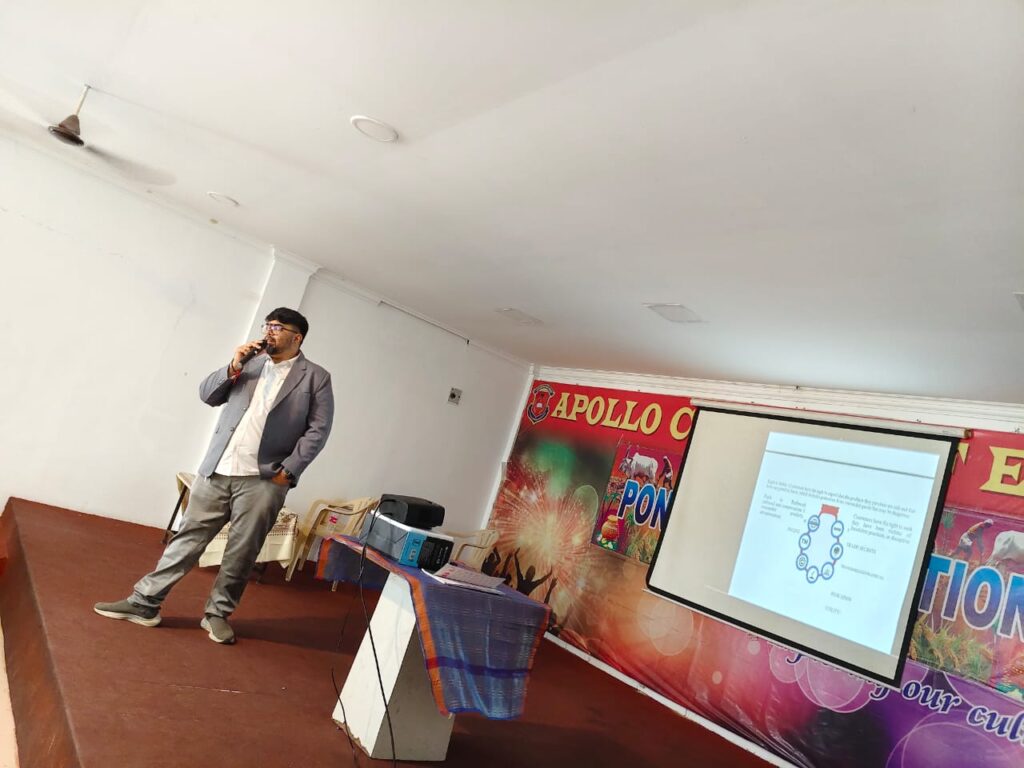
In a landmark initiative bridging academic awareness and regulatory compliance, Apollo Arts and Science College, Chennai, hosted a guest lecture on “Consumer Protection and Dark Patterns in the Digital Era.” The session, delivered by Dr. Suresh Kumar Manoharan—a prominent consumer rights advocate associated with the Tamil Nadu Consumer Protection Organisation (TNCPO) and holding leadership positions as National Vice President & State President (Tamil Nadu) at the Federation of International Trade Investor Gunodaya Association (FITIG)—comes at a crucial juncture when India is positioning itself as a global leader in regulating deceptive digital practices.
India’s Pioneering Role in Dark Pattern Regulation
Dr. Manoharan opened the lecture by highlighting India’s distinctive position in the global regulatory landscape. On November 30, 2023, India became the first country in the world to issue dedicated “Guidelines for Prevention and Regulation of Dark Patterns, 2023,” predating comprehensive frameworks in many developed economies. This proactive regulatory stance demonstrates India’s commitment to creating a transparent, ethical, and consumer-centric digital ecosystem.
The guidelines, issued by the Central Consumer Protection Authority (CCPA) under Section 18 of the Consumer Protection Act, 2019, identify 13 specific dark patterns that constitute unfair trade practices. This comprehensive taxonomy provides businesses with clear compliance parameters and consumers with identifiable red flags.

Understanding Dark Patterns: A Business Perspective
From a global business perspective, dark patterns represent a significant operational and reputational risk. Dr. Manoharan explained that these deceptive design techniques—while potentially offering short-term conversion gains—ultimately undermine consumer trust and invite regulatory scrutiny that can result in substantial financial penalties and brand damage.
The lecture provided detailed analysis of the 13 prohibited dark patterns with direct implications for businesses operating in the Indian market:
False Urgency and Drip Pricing: These patterns distort market dynamics by creating artificial scarcity and hiding true costs. For multinational corporations operating in India, compliance requires fundamental redesign of pricing displays and inventory messaging to ensure absolute transparency.
Basket Sneaking and Forced Action: The automatic addition of items or mandatory data sharing requirements violate both consumer protection norms and emerging data privacy standards under the Digital Personal Data Protection Act, 2023 (DPDPA).
Confirm Shaming and Subscription Traps: These patterns, which manipulate consumer emotions or create cancellation barriers, are increasingly viewed as aggressive trade practices that can trigger regulatory action and consumer litigation.

Recent Enforcement Actions: Lessons for Industry
Dr. Manoharan cited two significant enforcement actions that serve as cautionary tales for the business community:
The IndiGo Airlines Precedent: When the CCPA found IndiGo employing confirm shaming (“No, I will take risk”) and opaque seat selection processes, the regulatory body’s intervention forced comprehensive interface redesign. The airline now prominently displays: “You can skip preferred seat selection and complete your booking. IndiGo will auto-assign a seat prior to your travel.” This case demonstrates that even established market players must align their user experience design with regulatory expectations.
The BookMyShow Case: The automatic addition of charitable contributions through pre-ticked boxes represented a classic basket sneaking violation. Following CCPA notice, BookMyShow transitioned to explicit opt-in mechanisms, acknowledging that consumer consent cannot be presumed or manipulated.
These cases signal that Indian regulators are actively monitoring digital platforms and willing to take suo motu action against violations, regardless of the company’s market position.
The June 2025 Self-Audit Mandate: A Watershed Moment
A major focus of the lecture was the CCPA’s Advisory dated June 5, 2025, which followed a high-level stakeholder meeting chaired by Union Minister Shri Pralhad Joshi on May 28, 2025. This advisory mandates all e-commerce platforms to conduct comprehensive self-audits within three months (deadline: September 5, 2025) and submit compliance declarations.
For businesses, this represents both a compliance obligation and a strategic opportunity. Platforms that proactively identify and eliminate dark patterns can:
- Mitigate regulatory risk and avoid penalties
- Enhance consumer trust and brand reputation
- Differentiate themselves in an increasingly competitive digital marketplace
- Align with global best practices emerging in the EU, US, and other jurisdictions
The Joint Working Group (JWG) constituted on June 5, 2025, with representatives from ministries, National Law Universities, and consumer organizations, will continuously evaluate emerging patterns and recommend regulatory updates—ensuring that India’s framework remains responsive to technological evolution.
Global Regulatory Convergence
Dr. Manoharan placed India’s initiative within the broader context of global regulatory trends. The European Union’s Digital Services Act explicitly bans manipulative interfaces, while the General Data Protection Regulation (GDPR) targets deceptive consent mechanisms. In the United States, the Federal Trade Commission (FTC) has increasingly pursued actions against dark patterns, and state laws like the California Consumer Privacy Act (CCPA) restrict manipulative data-collection designs.
Australia, while lacking specific dark pattern legislation, relies on consumer law prohibitions against unfair and deceptive conduct. What distinguishes India’s approach is the comprehensive, dedicated framework specifically addressing dark patterns—providing clear, enforceable standards that benefit both consumers and compliant businesses.
For multinational corporations operating across jurisdictions, this regulatory convergence means that investing in ethical design and transparent user experiences is no longer optional but essential for sustainable global operations.
Implications for E-Commerce and Digital Business
The lecture addressed practical implications for various business sectors, including e-commerce platforms, fintech applications, travel portals, streaming services, food-tech companies, and quick-commerce providers.
Compliance Requirements: Businesses must undertake thorough transformation of digital operations, including:
- Redesigning user interfaces to eliminate deception and ensure informed consent
- Updating privacy policies, subscription workflows, and pricing displays
- Implementing internal compliance frameworks aligned with UI/UX ethics
- Training design, product, and legal teams on the 13 specified dark patterns
- Maintaining audit-ready documentation for regulatory review
Risk Exposure: Non-compliance carries significant consequences. Under the Consumer Protection Act, 2019, penalties for false or misleading advertisements can extend to imprisonment up to two years and fines up to ₹10 lakhs for first offenses, with subsequent offenses attracting up to five years imprisonment and ₹50 lakhs in fines. Additionally, violations of the DPDPA can attract penalties up to ₹50 crores.

Technology-Enabled Consumer Protection
Dr. Manoharan highlighted innovative technological tools developed by the Department of Consumer Affairs in collaboration with IIT BHU through the Dark Patterns Buster Hackathon 2023:
The Jagriti App and Jago Grahak Jago App empower consumers to report suspicious URLs and receive real-time safety scores for e-commerce platforms. The Jagriti Dashboard serves as a sophisticated monitoring tool that scans websites for dark patterns and generates actionable intelligence for regulatory intervention.
These tools democratize consumer protection, enabling every digital user to participate in monitoring and reporting deceptive practices. The real-time data collected through these applications feeds directly into CCPA’s enforcement machinery, creating a responsive and adaptive regulatory ecosystem.
Building Consumer Trust: The Business Case for Ethical Design
Beyond regulatory compliance, Dr. Manoharan emphasized the positive business case for eliminating dark patterns. In an era where consumers are increasingly vigilant and informed, trust has become a critical differentiator. Platforms that prioritize transparency and user autonomy build lasting relationships with consumers, reducing churn and enhancing lifetime value.
Union Minister Shri Pralhad Joshi’s observation at the May 2025 stakeholder meeting resonates strongly: “Companies must not wait for the CCPA to intervene. They should proactively recognize and remove these deceptive practices before notices are issued. This is not just regulatory compliance—it’s about building trust with your consumers.”
Conclusion: India’s Leadership in Ethical Digital Governance
The guest lecture at Apollo Arts and Science College concluded with a forward-looking perspective on India’s role in shaping global standards for ethical digital commerce. By combining clear regulatory guidelines, proactive enforcement, technology-enabled monitoring, and educational initiatives reaching academic institutions, India is creating a comprehensive ecosystem for consumer protection in the digital age.
Dr. Manoharan encouraged students—as future business leaders, entrepreneurs, and consumers—to carry forward the message of ethical digital engagement. The active participation and insightful questions from students demonstrated that the next generation of consumers is ready to demand transparency and fairness from digital platforms.
As the September 2025 self-audit deadline approaches and global regulatory momentum against dark patterns continues to build, India’s pioneering framework offers valuable lessons for economies worldwide. The message from Chennai is clear: in the digital marketplace of the future, ethical design is not just a regulatory requirement but a competitive advantage and a fundamental aspect of consumer dignity.
Editorial & Compliance Note: This article reflects market commentary and publicly discussed information. It is intended for informational purposes only and does not constitute investment advice or financial recommendation. ReportingNewsWorld.com maintains editorial neutrality and does not provide economic advisory services or political affiliations.