

Bureau Report | International Business & Economy | New Delhi, Bharat (India)
Delhi’s Holi Milan 2026: A Strategic Pivot to ‘Swadeshi’ Signals Shift in Global Supply Chain Dynamics
NEW DELHI: In an era defined by supply chain realignments and economic nationalism, the ‘Holi Mangal Milan’ organized by the Federation of Delhi Trade Associations (Reg.) on 23rd February 2026, served as a microcosm of the larger shifts occurring in the global business landscape. Held at the prestigious Constitution Club of India on Rafi Marg, the event saw the convergence of industry magnates, trade bodies, and market leaders who collectively advocated for a strengthened indigenous manufacturing ecosystem.
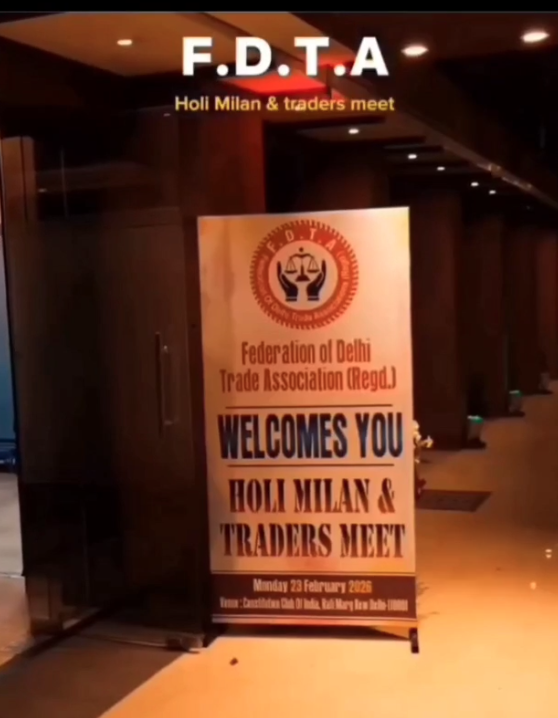
The event, which spanned the week of February 26 to March 1 in terms of its impact and coverage, highlighted a critical pivot in business strategy. As global trade wars and tariff barriers reshape international commerce, the Indian business community is increasingly looking inward to stabilize its economy. The clarion call at this year’s Holi Milan was to prioritize goods manufactured domestically, a move that analysts suggest could recalibrate India’s position in the global value chain.
A Gathering of Market Movers
The presence of key functionaries including Patron Rajesh Gupta, President Radhey Shyam Sharma, Senior Vice President Rajesh Jain, General Secretary Devendra Jain, Coordinator Viraag Jain, and Bansidhar Sharma underscored the unified stance of the Indian business community. Alongside them, a diverse group of stakeholders from Old Delhi and East Delhi—renowned as historical nerve centers of trade—participated actively.
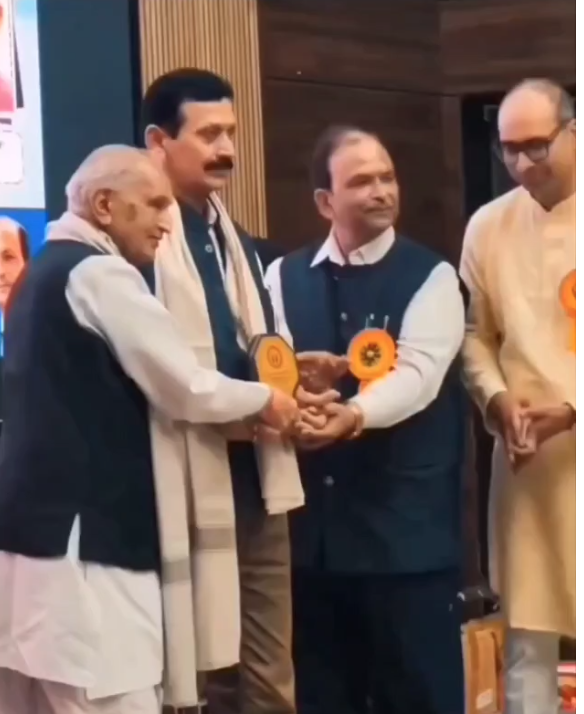
The awarding of accolades to industry giants by the association is being viewed internationally as a marker of credibility and influence in the South Asian market. Such recognitions often correlate with increased foreign investment interest, as they signal a mature and organized private sector. Figures such as Debraj Baweja, Parmjeet Pampa, Yogesh Yadav, and others in attendance represent the robust network that fuels India’s domestic consumption, which is a key driver of global economic growth.
Implications for Global Investors
The emphasis on the ‘Swadeshi’ model does not imply isolationism; rather, it represents a strategic economic policy to build resilient local supply chains that can better withstand global shocks such as pandemics or geopolitical conflicts. For multinational corporations, this signals a need to localize their manufacturing and sourcing to remain competitive in the Indian market.
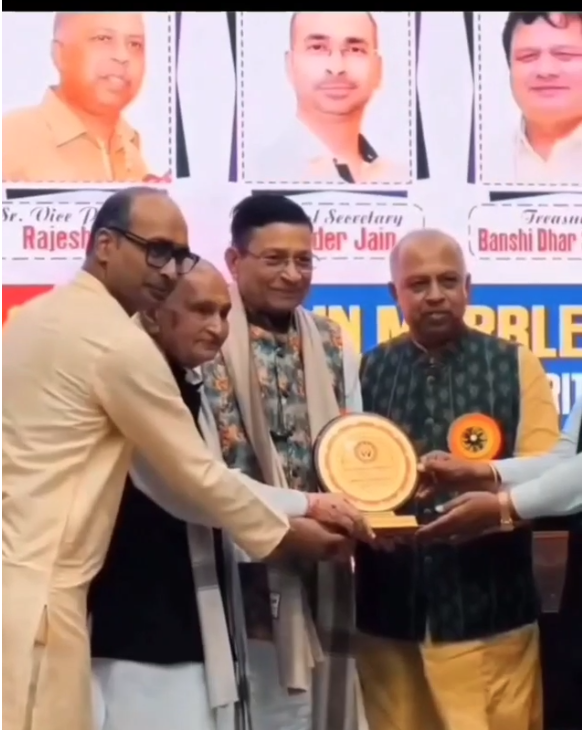
As the attendees exchanged pleasantries and Holi wishes, the undercurrent of the discussions was profoundly economic. The “Holi Mangal Milan Utsav” was not just a cultural event but a declaration of intent from the Indian business community to lead the charge in domestic value creation while remaining open to global partnerships that respect the new paradigm of self-reliance. The event concluded with widespread optimism about India’s trajectory as a global manufacturing hub in 2026 and beyond.

Editorial & Compliance Note: This article reflects market commentary and publicly discussed information. It is intended for informational purposes only and does not constitute investment advice, financial recommendation. ReportingNewsWorld.com maintains editorial neutrality and does not provide economic advisory services or political affiliations.